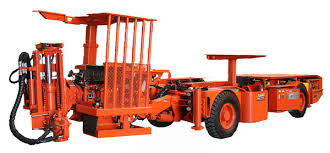
Roof bolting is a critical ground support method used in underground mining and tunneling to reinforce and stabilize the rock ceiling. By inserting long steel rods deep into the rock strata, the process binds weak or fractured rock layers together to prevent hazardous collapses and rockfalls. First introduced to the industry in the late 1940s, this technique revolutionized mine safety by replacing bulkier wood timbering with a standardized system resilient enough to withstand nearby blasting forces
Core Support Mechanisms
The principal objective of roof bolting is to help the rock mass support its own weight rather than holding it up externally. It achieves stability through three primary engineering principles:
- Suspension: Anchoring weak, loose rock layers directly to a higher, self-supporting solid rock stratum.
- Beam Building: Clamping multiple thin, flexible layers of rock together. This prevents them from sliding or sagging, effectively creating one thick, highly rigid composite beam.
- Keying: Frictionally interlocking fractured rock blocks tightly into place to prevent movement
Roof Bolting
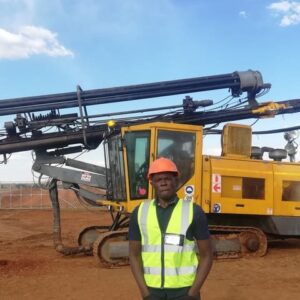
The Installation ProcessModern applications rely heavily on specialized heavy machinery known as roof bolter rigs. While exact sequences vary by geology, a standard installation utilizes the following steps:- Drilling: The rig drills a highly precise hole into the roof, carefully matching the length and diameter of the bolt.
- Chemical Insert: Specialized chemical adhesive cartridges—primarily fast-acting polyurethane or polyester resins—are pushed to the back of the drilled hole.
- Insertion and Mixing: The steel rock bolt is pushed into the hole, piercing the resin cartridge. The rig spins the bolt rapidly for a few seconds to thoroughly mix the chemical components.
- Tensioning: Once the resin cures and hardens around the anchoring zone, the machine applies precise torque to a nut, compressing a heavy steel bearing plate firmly against the rock surface to distribute structural pressure.
.